
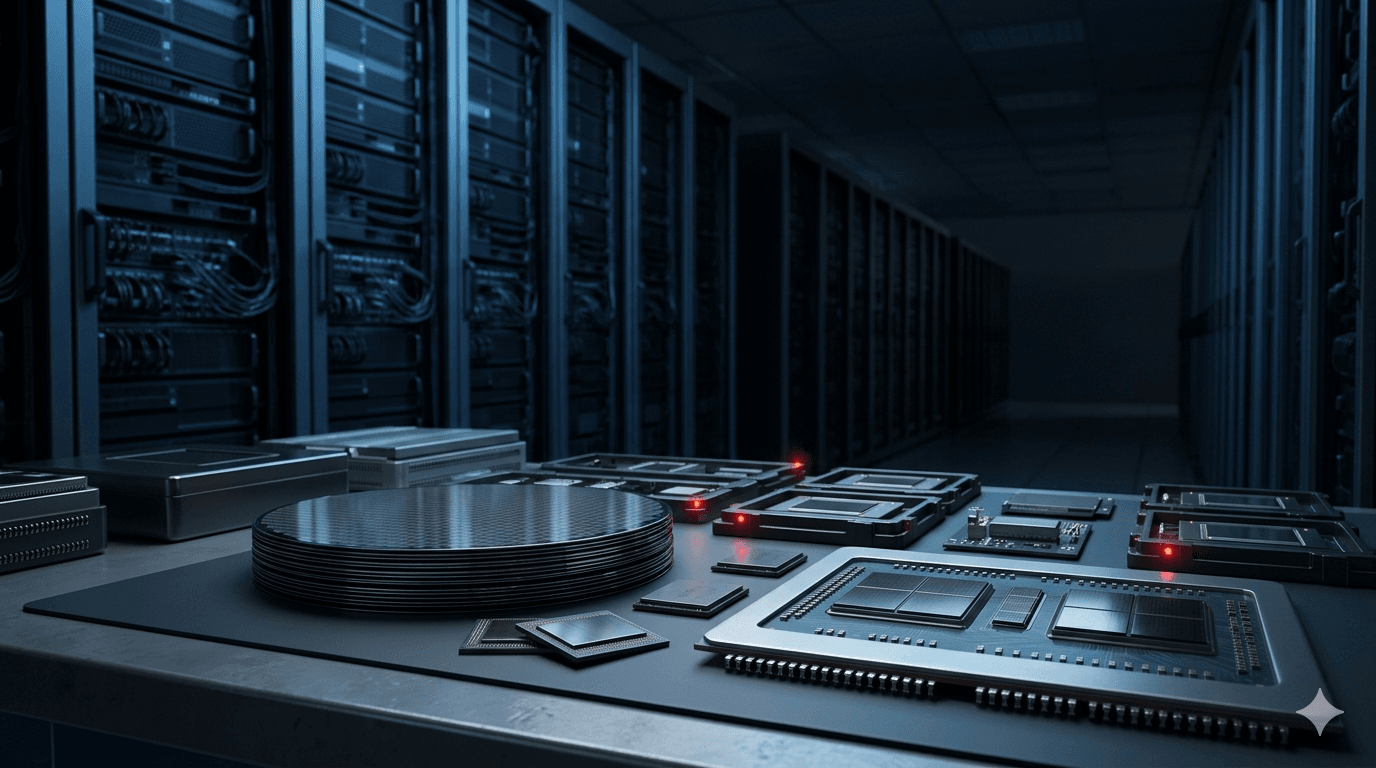
Why the AI chip shortage of 2026 feels closer than you think
Lately, it feels like AI is everywhere, so the AI chip shortage. New tools, new features, new hype. On the surface, that sounds exciting. But there’s a less glamorous side to it, and honestly, it could affect the tech you buy sooner than you expect.
The big issue is chips. More specifically, memory chips.
As AI gets bigger, it needs far more memory than older systems ever did. Michael Dell recently said AI-related memory demand could rise 625 times by 2028. That number sounds wild, but when you look at how fast AI servers are growing, it starts to make sense. One AI system can now need massive amounts of memory, and data centers are stuffing in more accelerators every year.
That’s where this starts to feel personal. You may not care about server hardware. Most people don’t. But if the supply gets tight, the effects don’t stay inside data centers.
AI data center demand is changing the supply game
Here’s the real problem: chip factories can’t suddenly produce more overnight.
Memory products like HBM are hard to make. Only a small number of companies can build them at scale. And even if they decide to expand, that takes years. Not months. Years. So when AI data center demand jumps fast, supply just can’t move at the same pace.
Big companies like Microsoft, Google, and Amazon are already locking in supply early. That makes sense for them. They need the hardware. Still, it leaves less room for laptops, phones, and other everyday devices. In plain terms, enterprise AI is starting to get priority.
You’ve probably seen this kind of thing before. A new trend takes off, supply gets squeezed, and suddenly prices stop making sense.
What this could mean for your next device
If this keeps going, tech may simply get more expensive. Upcoming phones like the Apple iPhone 18 Pro and Google Pixel 11, which are expected to bring major display upgrades maybe become expensive. Laptops, cloud storage, and even subscription services could all feel the pressure. Maybe not all at once, but little by little. That’s usually how it starts.
The AI chip shortage 2026 story is really about priorities. Right now, the industry is putting AI infrastructure first. Consumer tech comes after that. And when supply is limited, someone ends up paying more.
So yes, AI is moving fast. Faster than most people expected. But the hardware behind it has limits. That part gets ignored a lot. Until prices go up, of course.

COMMENTS