
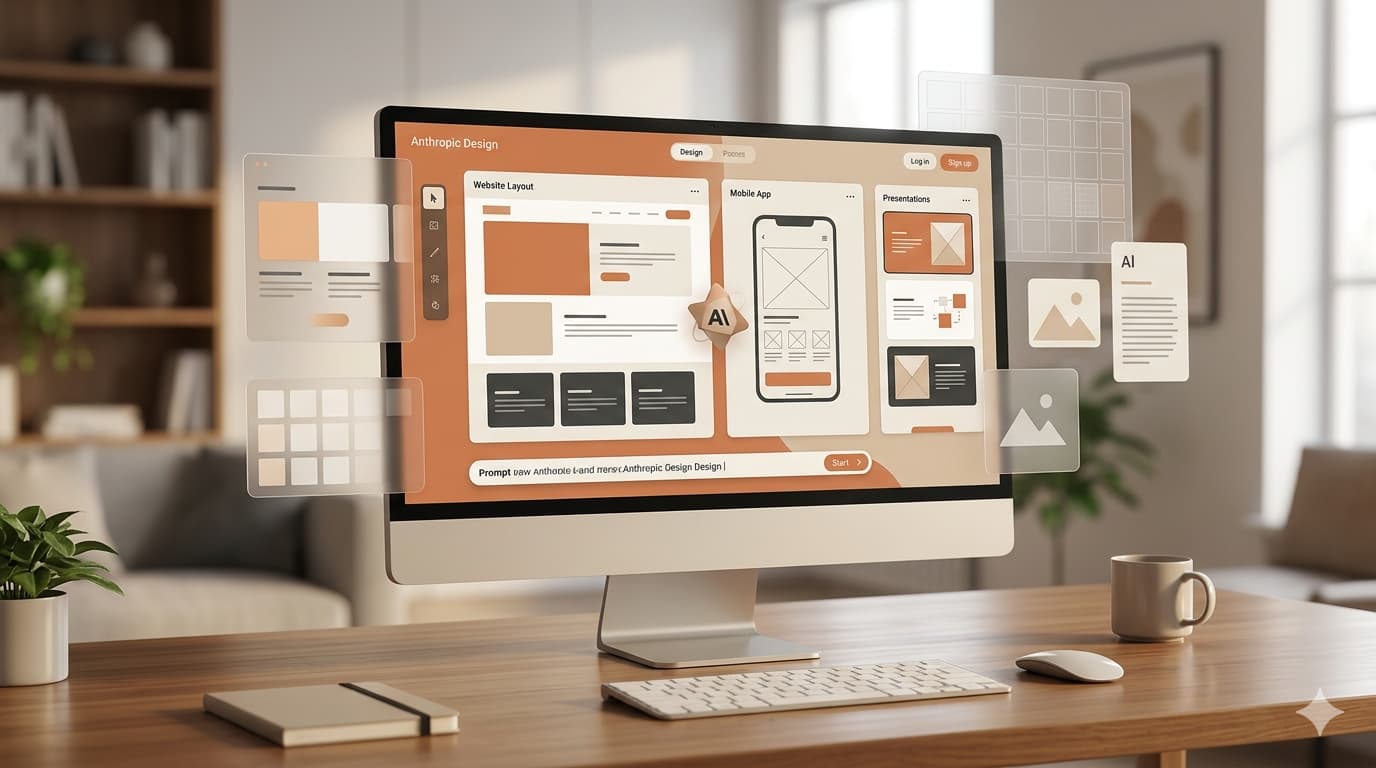
Anthropic AI design tool is moving beyond text
The Anthropic AI design tool shows that the company is thinking beyond chat and writing. Anthropic has mostly been known for Claude and text-based AI work, so this move shows how fast the AI industry is changing. It also says a lot about where AI tools are heading next.
The new tool focuses on design, layouts, and visual content. If that sounds like a big shift, it is. For a long time, AI tools mostly stayed in the world of chat, summaries, and code. But people do not work like that anymore. You might write something, then need a graphic, then maybe a presentation slide. Going back and forth between apps gets tiring fast.
That is where this move starts to make sense.
Why this matters in generative AI design
The bigger story here is not just Anthropic launching one more feature. It is a fact that AI is becoming more creative and more practical at the same time. Tools are no longer just there to answer questions. They are starting to help with the full process of making things.
That matters a lot if you create content regularly. You might write blog posts, make ad creatives, or just want a quick design without opening five different tools. In those moments, a visual AI tool can save real time.
This also puts Anthropic in a more direct race with names like Canva and Adobe. And honestly, that was bound to happen sooner or later. Every major AI company seems to be chasing the same idea now: one system that can help you write, design, and organize work in one place.
Anthropic AI design tool could change daily workflows
If this tool works well, everyday work could feel a lot smoother. You can write the copy, build the layout, and tweak the visuals without switching between too many apps. That may sound like a small thing, but it saves time. And over a full workday, that really adds up. If you want to see how Claude already fits into writing workflows, check out how to use Claude AI in Microsoft Word.
There is also a bigger pressure building across the industry. OpenAI, Google, and others will have to keep pushing their own multimodal tools. Nobody wants to be left behind in this part of the market.
You can already see where this is going. The line between writing tools and design tools is getting blurry. That is exactly why generative AI design is becoming such a big space right now. It is not only about speed. It is also about making creative work feel easier for regular people, not just professionals.

COMMENTS